


Rules for Thee, Not for Me: When Accountability Feels Optional for the Powerful
In communities across America, ordinary citizens are arrested every day for minor infractions. Some are jailed immediately. Some lose their jobs. Some carry the permanent weight of a record over a single mistake.
Yet when those in positions of power are accused of serious misconduct, the response often sounds very different:
“An internal review is underway.”
“No wrongdoing has been established.”
“The matter is under investigation.”
“We have no further comment at this time.”
And then—silence.
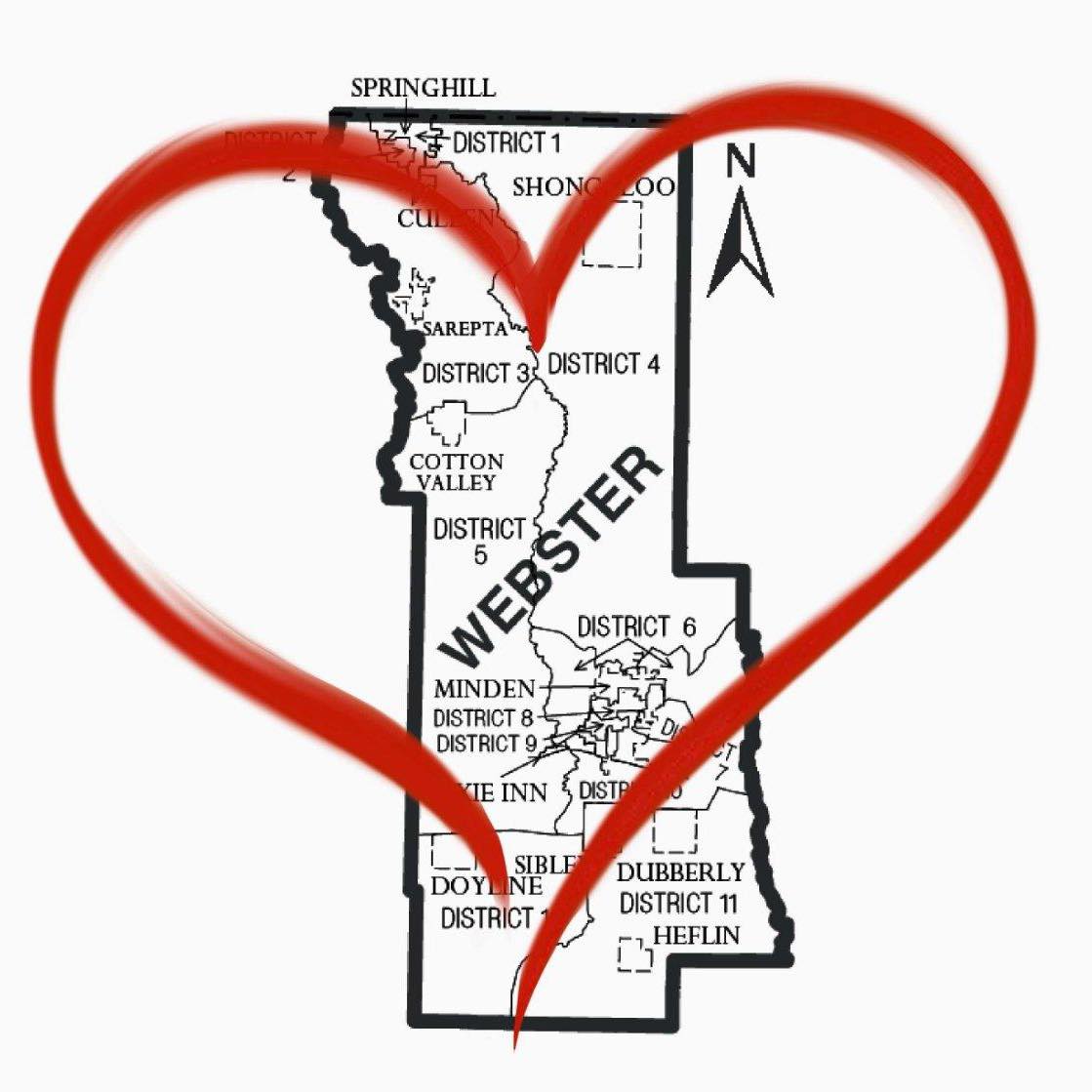
This growing gap between how laws are enforced for everyday citizens versus how they are applied to powerful officials is what many people now call a two-tier justice system. And here in Webster Parish, that concern is no longer whispered. It is being discussed openly.

How Many Violations Does It Take for Someone in Power to Be Arrested?
For the average citizen, the threshold can be painfully low:
-
A traffic mistake
-
A heated exchange
-
A paperwork issue
-
A misunderstanding
-
A late payment
For those without power, consequences are often swift and absolute.
But when complaints, disputes, or alleged violations involve elected officials or high-ranking law enforcement, the process slows to a crawl. Investigations stretch on quietly. Records become harder to access. Transparency fades. Meanwhile, the individual remains in office, in uniform, and in full authority.
The public is left asking a simple but unsettling question:
How many alleged violations does it take for accountability to actually begin when the accused holds power?
Documented Laws & Statutes Referenced in Church-Parker Scandal
To support ongoing public awareness and provide full transparency, we are including a detailed document outlining each Louisiana and federal law that was violated, how it was violated, and the statutory penalties associated with those violations.
This file contains verified information compiled from state statutes, federal codes, and documented actions described in public records. These violations include:
-
Malfeasance in Office
-
Simple Escape / Improper Release
-
Improper Transfer of Custody
-
Unauthorized Use of a Government Vehicle
-
False Public Records
-
Criminal Conspiracy
-
Abuse of Office
-
Providing Contraband to an Inmate
-
Federal Escape
-
Obstruction / False Records (Federal)
-
Unauthorized Access to Military Installation
-
Computer Fraud & Abuse Act Violations
-
Felon in Possession (Constructive Access)
-
Misuse of Government Property
Download: Full List of Laws Violated & Associated Penalties
What makes this situation different from ordinary controversy is that the concerns are not based on rumor or speculation—but on a documented list of state and federal statutes tied directly to official actions.
You can view the full document here (as provided):
Each statute listed in this file includes:
-
What the law requires
-
How the law was violated
-
The potential sentence or penalty
-
Whether the violation applies to the sheriff, the inmate, or both
This is the most complete, consolidated breakdown of all known state and federal laws impacted by this case.
This file is being made available so the public can see the legal implications for themselves — not filtered, not summarized, and not hidden behind closed doors.
The “Good Old Boys” System the Public Is Tired Of
Across rural America, there is a term everyone understands:
the “good old boys” system.
It describes a closed network of influence where:
-
Friends oversee friends
-
Allies protect allies
-
Oversight bodies move slowly
-
Outsiders are kept in the dark
-
Whistleblowers face pressure and retaliation
Whether or not anyone ever admits it exists, the public perception of protection is real—and perception alone is enough to destroy trust.
When citizens start to believe:
-
That power shields consequences
-
That oversight is selective
-
That justice depends on who you are
Then the rule of law itself begins to feel negotiable.
Why Unopposed Elections Matter More Than People Realize
In the most recent sheriff’s election, no one ran against the incumbent.
On paper, that looks like overwhelming public confidence.
In reality, unopposed elections can also signal something more concerning:
-
Fear of retaliation
-
Political pressure
-
Career destruction risks
-
Financial ruin for challengers
-
Closed-door power networks
Democracy depends on choice. When choice disappears, accountability weakens—even if everything appears “legal” on the surface.
Public Pay, Public Power, Public Questions
One of the most shocking realizations many citizens have recently encountered is this:
In some cases, local officials can earn more than federal lawmakers.
That fact alone is not illegal. But it raises unavoidable public questions:
-
Who approves these salaries?
-
What oversight exists?
-
How frequently are payrolls audited?
-
What benchmarks are used?
-
How is performance evaluated?
-
Who verifies misconduct claims?
When large paychecks intersect with unresolved public controversy, anger doesn’t come from rumor—it comes from imbalance.
Why Silence Is Now the Loudest Statement
In any functioning system of justice, the appearance of accountability is just as important as accountability itself. When complaints accumulate and transparency disappears, the message to the public becomes deafening:
“Power protects itself.”
Whether that perception is fair or not, it is spreading—and rapidly.
People are no longer satisfied with quiet investigations, private reviews, or closed-door explanations. They want:
-
Records
-
Timelines
-
Oversight
-
Independent review
-
Transparency
They want proof that justice applies upward, not only downward.
This Is Bigger Than One Person
This moment is not only about one official, one office, or one controversy. It is about a structure that many citizens feel is stacked against them.
It is about:
-
Unequal enforcement
-
Selective transparency
-
Fear of retaliation
-
Political protection
-
Financial imbalance
-
And the belief that some people live above the law while others live under it
When that belief takes root, trust collapses.
The Breaking Point
What we are witnessing now is not just outrage—it is fatigue.
People are tired of:
-
Being told to “wait for the investigation”
-
Being told to stop asking questions
-
Being told to trust systems that feel sealed shut
-
Being told accountability is coming “eventually”
The public is no longer asking for perfection.
They are asking for equal enforcement of the law.
What the Public Can Do—Right Now
You do not need to protest in the streets to demand accountability. Peaceful, lawful civic pressure is often more powerful:
-
File public records requests
-
Attend open government meetings
-
Demand independent audits
-
Contact state oversight agencies
-
Document retaliation or threats
-
Ask candidates where they stand on accountability
-
Vote when given a real choice
Power rarely gives up protection voluntarily. It responds to sustained public visibility.
The Final Question Everyone Is Asking
The community is no longer silent. The discussion is growing. The pattern is being noticed.
And the question now echoing across social media, family conversations, and community groups is this:
If regular citizens can be arrested instantly for minor violations…
why does accountability move so slowly when power is involved?
That question is not going away.
Editor’s Note
All reporting published by Heart of Webster is based on verified public information, documentation, and witness records. No individual is presumed guilty of any crime unless and until formal charges and convictions occur. This article addresses public perception, systemic accountability, and the importance of transparent governance—not criminal guilt.


