


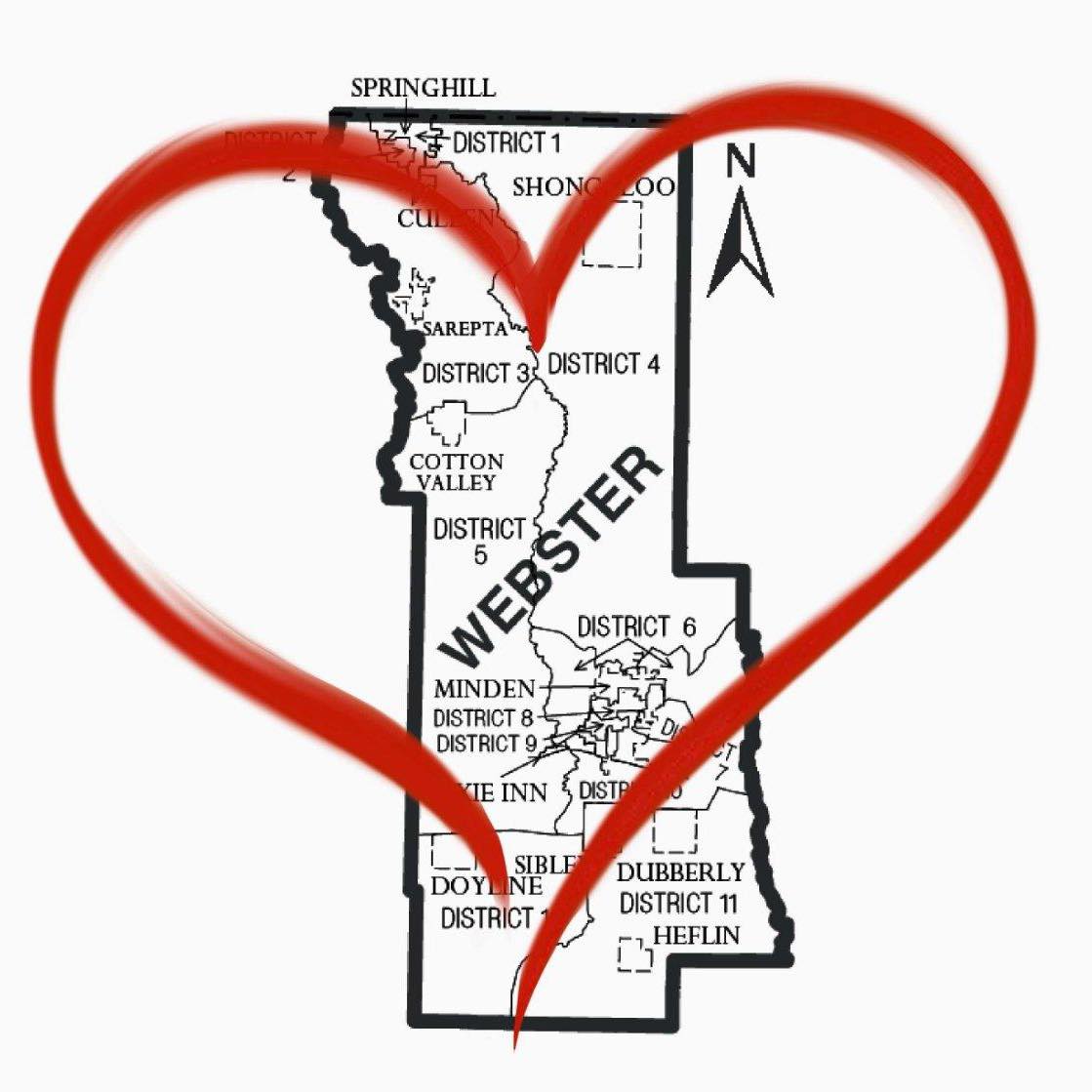

In small towns across America, the most powerful stories often go untold. Local governments control millions in taxpayer funds, oversee law-enforcement agencies, and make decisions that directly impact families, safety, and livelihoods. Yet many rural communities have no active newspaper, no investigative journalists, and no independent oversight. That vacuum has consequences — and in Webster Parish, Louisiana, those consequences are becoming impossible to ignore.
Heart of Webster, a grassroots watchdog organization, has emerged as one of the few local platforms documenting government failures, financial questions, citizen complaints, and civil-rights concerns that otherwise would never reach daylight. What makes the site unique is not only the allegations it reports, but the fact that it educates citizens about their rights, public-records access, defamation law, and the power of factual documentation. This article breaks down what Heart of Webster is exposing, why it matters, and what citizens everywhere can learn from it.
The organization has identified recurring issues within the parish. Several residents, former deputies, and community members report submitting concerns to the sheriff’s office about misconduct, discrimination, workplace injuries, and procedural violations—only to receive silence or non-answers. Public records reveal large cash reserves while buildings deteriorate and essential needs remain unmet, fueling public confusion and frustration over how taxpayers’ money is being handled. Fear of retaliation further suppresses open discussion, making anonymous reporting essential for community members who feel unsafe speaking publicly. And in the absence of meaningful local journalism, platforms like Heart of Webster have become the only place where investigative findings are compiled and made available to the public.
One of Heart of Webster’s most impactful contributions is its educational content that empowers citizens. The site publishes straightforward guides explaining slander, libel, and the legal protections that apply to truthful reporting. Many people in small towns fear being sued simply for speaking up, but the site clarifies that truth is fully protected speech and public officials must meet a much higher legal threshold to claim defamation. By breaking down these concepts, Heart of Webster helps citizens feel more confident in documenting and reporting misconduct.
The site also teaches residents how public-records laws actually work. Louisiana law requires agencies to either provide records immediately or issue a written notice within three days explaining any delay and giving a clear completion timeline. A vague “We’ll let you know” response does not meet the legal standard. When people understand these requirements, they become better equipped to identify when a public agency is withholding information or failing to comply with state statutes.
Heart of Webster makes civil-rights topics easier to understand as well, translating complicated legal terms like “malicious prosecution” and “discrimination” into plain language so citizens can recognize when their rights may have been violated. In communities where legal assistance is scarce or expensive, this type of education is invaluable.
These issues matter far beyond Webster Parish. Rural counties often operate with minimal outside scrutiny, creating environments where misconduct can go unchecked for years. Tight-knit political networks discourage whistleblowers, and fear of retaliation prevents people from speaking up. Large sums of taxpayer money can be mismanaged without question when no one is watching. What is being documented in Webster Parish could very well be occurring in dozens of other rural counties across the country—it is just that no one is reporting it.
The purpose of Heart of Webster’s approach is to give citizens a voice when officials refuse to answer questions. By compiling documentation, tracking public concerns, and making information accessible, the platform ensures that agency silence cannot erase public records or community experiences. Every audit, complaint, and financial report added to the site strengthens the public archive and builds long-term accountability.
A healthy community requires transparent budgeting, properly maintained facilities, safe workplaces, open communication from leadership, and compliance with state and federal laws. When these basic responsibilities are neglected, public trust erodes. Heart of Webster is showing residents how to counter rumors with documentation and how to oppose silence with truth.
Citizens reading the site are encouraged to take action. They can request public records and keep documentation of every request and response. They can report issues safely through community platforms when they fear retaliation. They can educate themselves on their rights and use the law to protect themselves from intimidation. They can hold leaders accountable through voting and public engagement. And they can support independent watchdog efforts that provide the oversight rural communities often lack.
The work being done by Heart of Webster is not anti-government. It is pro-transparency, pro-accountability, and pro-community. Democracy only works when people have access to accurate information—not just the information officials choose to share, but the truth that impacts families, safety, finances, and justice. Webster Parish residents, and citizens nationwide, deserve oversight that is factual, lawful, and fearless. Heart of Webster is proving how powerful that can be.
Written by Kelly P


